Bed bug infestations have risen sharply across Sri Lanka in recent years, driven by increased travel and tourism. These tiny, blood-feeding insects hitchhike in luggage, second-hand furniture, and laundry — and once established, they are notoriously difficult to eliminate without professional treatment.
How to Confirm You Have Bed Bugs
- Bite marks — itchy red welts, often in a line or cluster of three, on skin exposed while sleeping
- Blood spots — small rust-coloured stains on sheets and pillowcases
- Dark fecal marks — pepper-like black dots along mattress seams and headboards
- Shed skins and eggs — pale, translucent casings in mattress folds and crevices
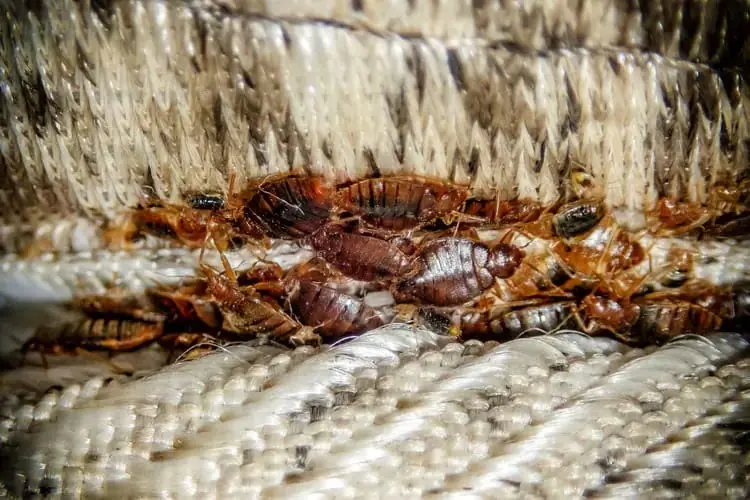
- Live bugs — flat, apple-seed-sized brown insects hiding in seams, joints, and cracks near the bed
Why Bed Bugs Are So Hard to Eliminate
Bed bugs can survive for months without feeding, hide in crevices thinner than a credit card, and their eggs are resistant to many over-the-counter sprays. DIY aerosol treatments typically kill only the visible bugs while scattering the rest deeper into walls and furniture — making the infestation worse.
What Actually Works
Effective bed bug elimination targets every life stage — eggs, nymphs, and adults:
- Thorough inspection of beds, furniture, skirting boards, and wall crevices to map the infestation
- Residual insecticide application to all harbourage points, using mattress-safe, WHO-approved products
- Follow-up treatment 10–14 days later to eliminate newly hatched nymphs before they breed
- Monitoring to confirm complete eradication
Prevention Tips for Homes and Hotels
- Inspect mattress seams and headboards when staying in any accommodation
- Keep luggage on racks, never on beds or floors, when travelling
- Wash and sun-dry travel clothing immediately after returning home
- Inspect second-hand furniture carefully before bringing it indoors
- Hotels and guesthouses should include bed bug checks in routine commercial pest management programs — a single online review mentioning bed bugs can devastate bookings