Signs You Have a Rodent Problem
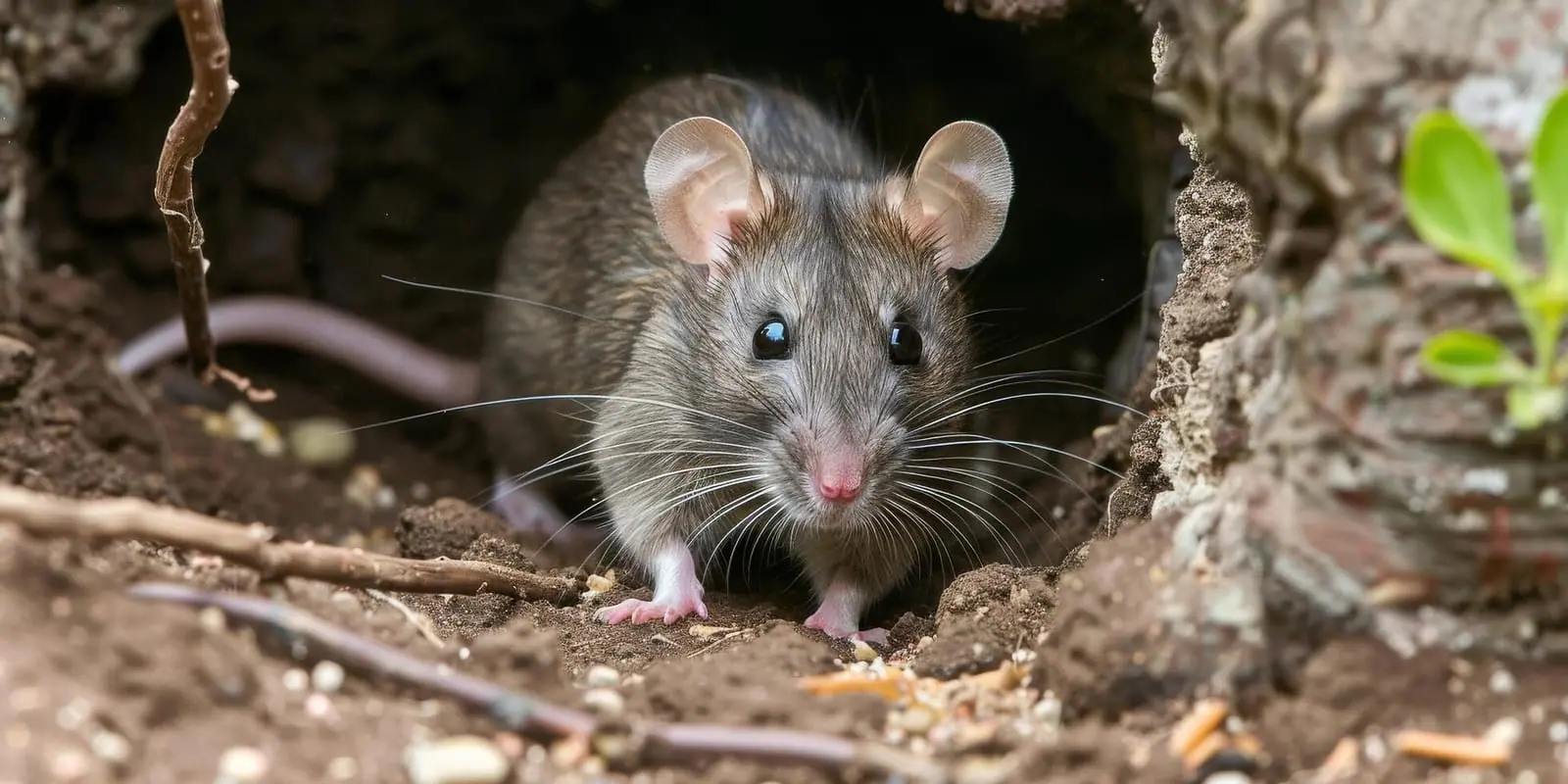
- Droppings — dark, spindle-shaped pellets along walls, in cupboards, or behind appliances
- Gnaw marks on food packaging, furniture, wiring, and plastic pipes
- Scratching noises in ceilings and wall cavities, especially at night
- Grease marks — dark smudges along skirting boards where rodents repeatedly travel
- Nests made of shredded paper or fabric in quiet, hidden corners
Why Rodents Enter Sri Lankan Homes
Rats and mice come indoors for the same three reasons: food, water, and shelter. Activity peaks during the southwest monsoon (July–September), when flooding drives rodents out of drains and paddy fields into dry buildings.
DIY Steps That Actually Help
- Seal entry points — a rat can squeeze through a gap the size of a two-rupee coin. Check around pipes, vents, roof eaves, and door gaps.
- Store food in sealed containers — including pet food and rice sacks
- Fix leaking taps and remove standing water sources
- Declutter storerooms, garages, and gardens to remove nesting sites
- Manage garbage — use bins with tight-fitting lids and dispose of waste daily
Why Traps Alone Rarely Work
Rats are neophobic — they avoid new objects in their territory, which is why shop-bought traps often sit untouched for weeks. Worse, killing a few rats without addressing the colony and entry points simply creates a vacancy that new rodents fill within days.
Professional Rodent Control
A professional rodent control program combines tamper-proof bait stations, glue boards in sensitive areas, and monthly monitoring to eliminate the entire colony — not just the bold individuals. Sunkem International uses WHO-approved rodenticides placed safely out of reach of children and pets, with follow-up visits to track activity until your property is clear.
If you're hearing scratching in the ceiling or finding droppings in the kitchen, don't wait for the problem to multiply. Book a free rodent inspection and we'll map the infestation and seal the routes rodents are using.