1. Mud Tubes on Walls or Foundation
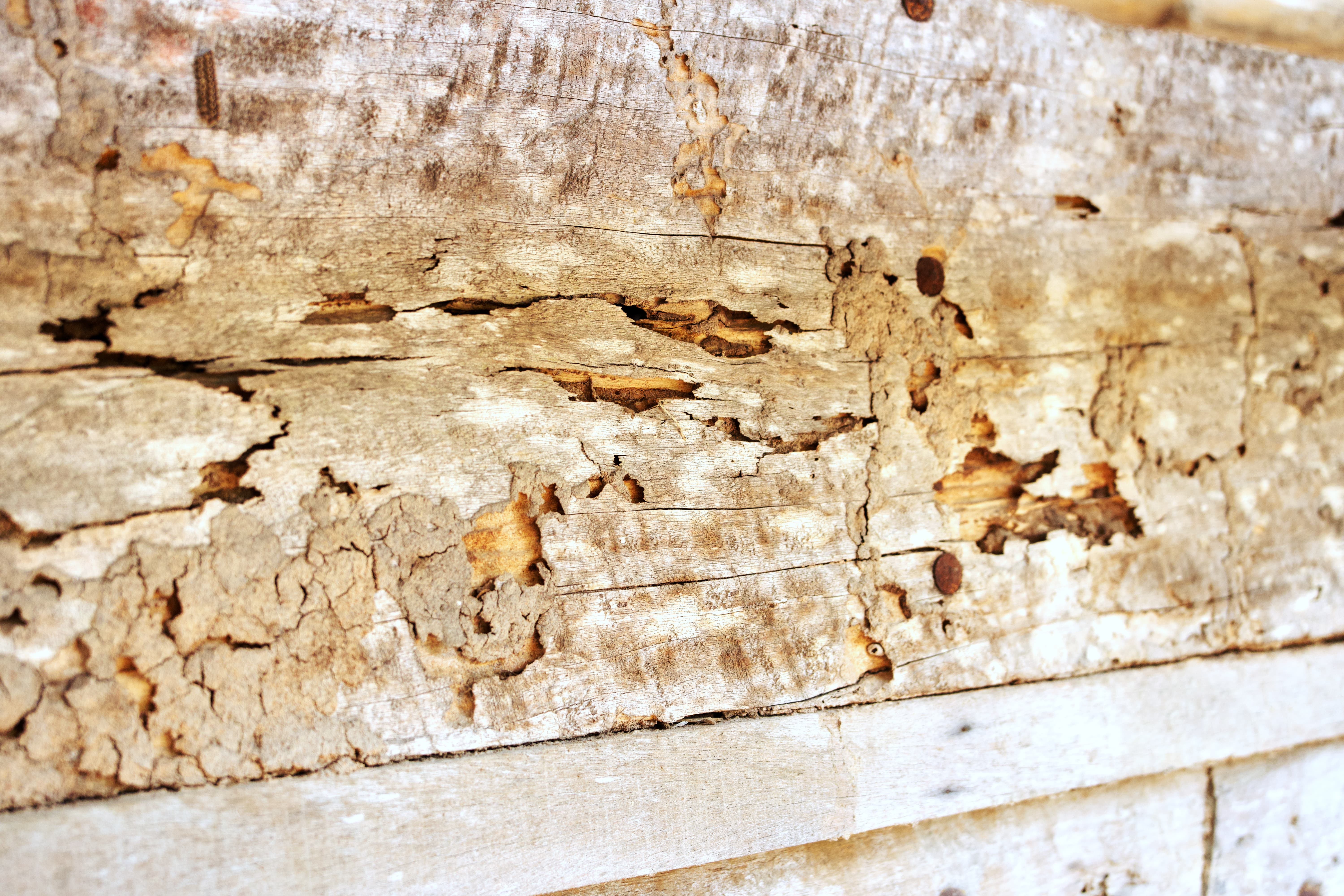
Subterranean termites build mud tubes — pencil-thin tunnels made of soil and wood particles — to travel between their underground colony and food sources. Check your foundation walls, crawl spaces, and exterior walls for these telltale tubes.
2. Hollow-Sounding Wood
Tap on wooden structures in your home. If they sound hollow or papery, termites may have eaten the wood from the inside out. Pay special attention to door frames, window sills, and baseboards.
3. Discarded Wings
After swarming, reproductive termites shed their wings. Finding piles of small, translucent wings near windows, doors, or light sources is a strong indicator of termite activity.
4. Frass (Termite Droppings)
Drywood termites leave behind small, pellet-shaped droppings called frass. These look like tiny wood-colored granules and are often found near infested wood.
5. Bubbling or Peeling Paint
Moisture from termite activity can cause paint to bubble, peel, or appear water-damaged. If you notice unexplained paint damage, especially near the ground level, investigate further.
What to Do Next
If you notice any of these signs, contact a professional pest control service immediately. Early detection can save thousands in repair costs and prevent structural compromise. Our termite control treatments use WHO-approved methods to protect your property.